

Best Cold Air Intake for WRX
If you're looking to unlock more power, sharper throttle response, and that signature turbo boxer growl from your Subaru WRX, installing a cold air intake is one of the smartest bolt-on modifications you can make. A quality cold air intake replaces your restrictive factory airbox with a high-flow system that delivers cooler, denser air to your turbocharger—resulting in measurable horsepower gains and an unmistakable improvement in how your WRX sounds and feels.

From stock ECU to pro tunes, five top WRX intakes tailored to your goals.
If you're looking to unlock more power, sharper throttle response, and that signature turbo boxer growl from your Subaru WRX, installing a cold air intake is one of the smartest bolt-on modifications you can make. A quality cold air intake replaces your restrictive factory airbox with a high-flow system that delivers cooler, denser air to your turbocharger—resulting in measurable horsepower gains and an unmistakable improvement in how your WRX sounds and feels.
Best Overall Performance
Editor’s Choice
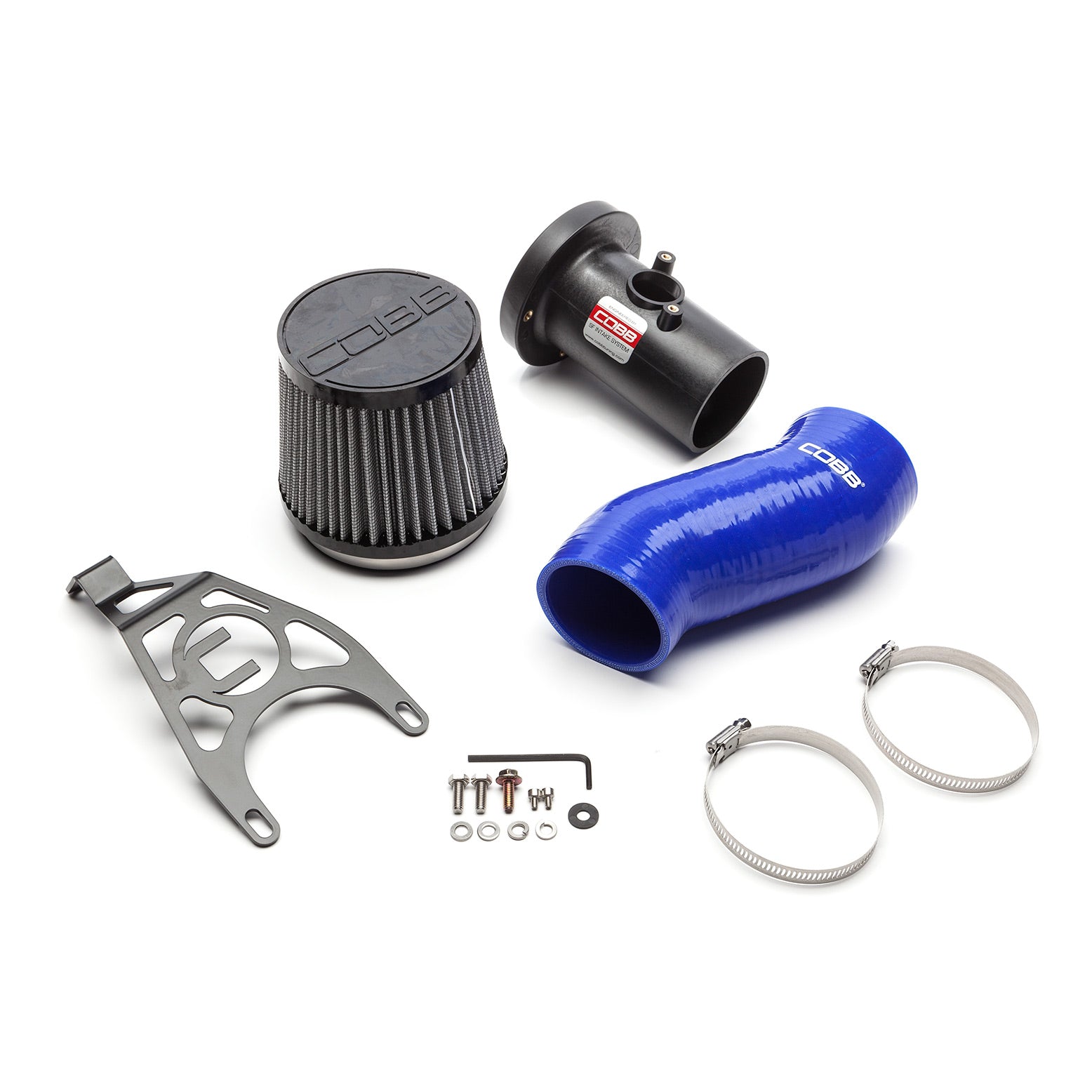
COBB SF Intake
Compatibility: Subaru WRX 2015-2021 (VA) and 2022-2025 (VB) with generation-specific kits
- Optimized MAF Housing with Airflow Straightener: Ensures consistent sensor readings for smooth drivability and tuner-friendly calibration
- Seamless Accessport Integration: Compatible with COBB OTS maps for VA (2015–2021) and supports pro custom tuning for VB; check current map availability and emissions guidance
- Sealed Heatshield Design: Reduces heat soak versus open short-ram setups, delivering cooler, more stable intake temps
The COBB SF Intake delivers a balanced mix of measurable gains, consistent MAF readings, and easy installation. When paired with an Accessport OTS map or a pro tune, it provides predictable fueling and smooth drivability, while its durable construction supports reliable long-term ownership.
Best for Daily Driving
Daily-Driver Friendly
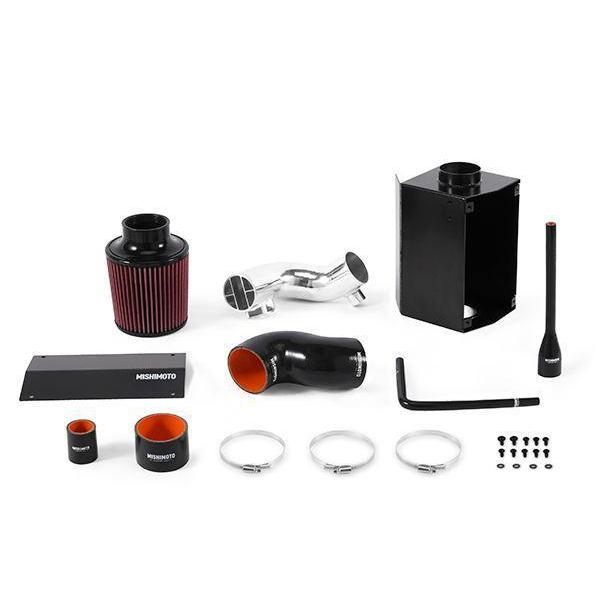
Mishimoto Performance Cold Air Intake Kit
Compatibility: Subaru WRX 2022-2025 (VB)
- No Tune Required: Dyno-proven gains of up to 13.3 HP and 16.6 lb-ft of torque on a completely stock ECU
- CNC-Machined MAF Housing: Precision-engineered MAF mounting ensures accurate air measurement even with increased airflow
- Lifetime Warranty: Backed by Mishimoto’s lifetime warranty (subject to standard terms and conditions).
The Mishimoto intake is the ideal choice for daily drivers who want real power gains without voiding warranties or diving into the world of ECU tuning. Its no-tune-required design and lifetime warranty make it a truly worry-free upgrade.
Best Engineering Excellence
Best Engineering
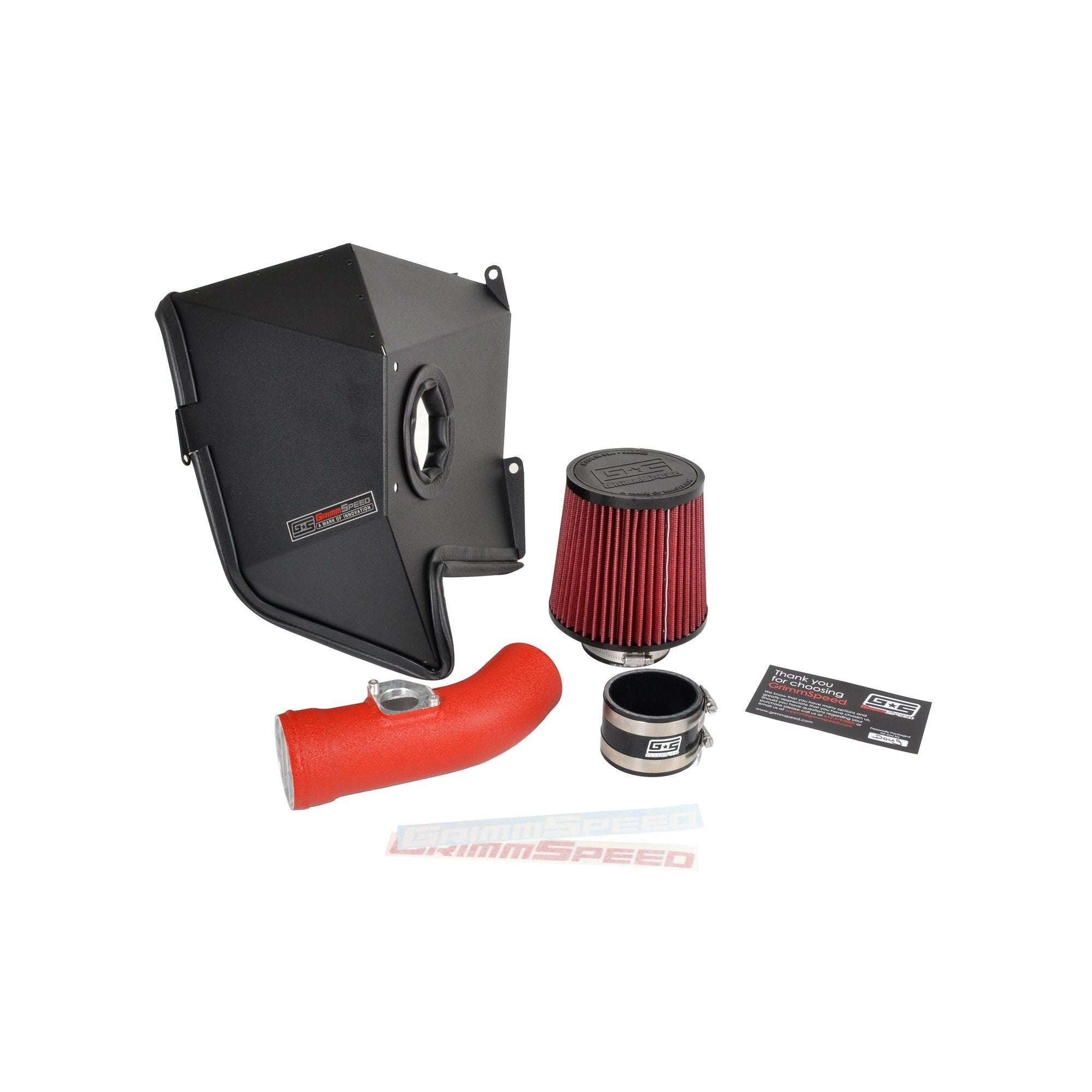
GrimmSpeed StealthBox Cold Air Intake
Compatibility: Subaru WRX 2015-2021 (VA) and 2008-2014 WRX/STI
- Verified Power Gains: Documented dyno gains of up to +32 lb-ft at 3000 rpm and +21 whp at 5500 rpm on a tuned FA20 WRX under test conditions.
- Tuner-Friendly Design: Designed with tuners in mind, the consistency of airflow through the MAF sensor makes this intake very predictable.
- Hybrid Cold Air/Short Ram Design: MAF sensor protected from engine bay heat and a sealed heatshield keeping intake temperatures low.
Many consider this the best intake on the market for the FA WRX—it looks better than competitors and features a stopper at the MAF location which makes tuning much easier. If you value meticulous engineering and dyno-validated performance, this is your intake.
Best Enthusiast Choice
Enthusiast Pick
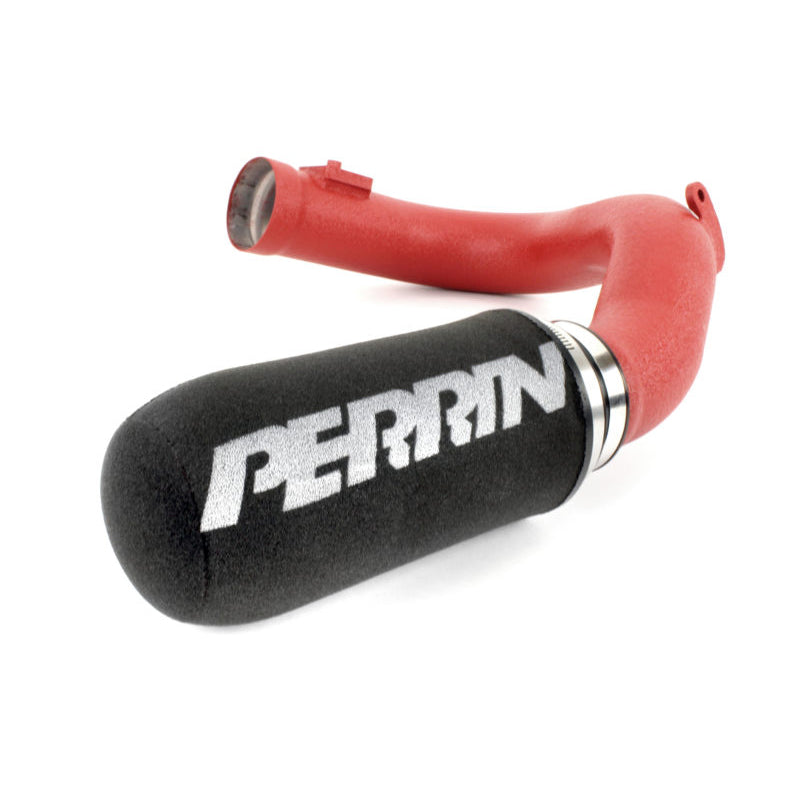
Perrin Cold Air Intake
Compatibility: Subaru WRX 2008-2014 and 2022-2025 (platform-specific kits)
- Balanced Sound Profile: Subtle at cruise, pronounced turbo and bypass-valve sounds under load.
- Integrated Velocity Stack & Airflow Straightener: Creates smooth, predictable airflow for consistent horsepower gains.
- Multiple Color Options: Coordinate with your engine bay aesthetics.
The Perrin intake is for enthusiasts who understand that the WRX ownership experience is about more than just horsepower numbers. If hearing your turbo spool and your BOV chirp brings a smile to your face, this is the intake for you.
Best Low-Maintenance
Low-Maintenance
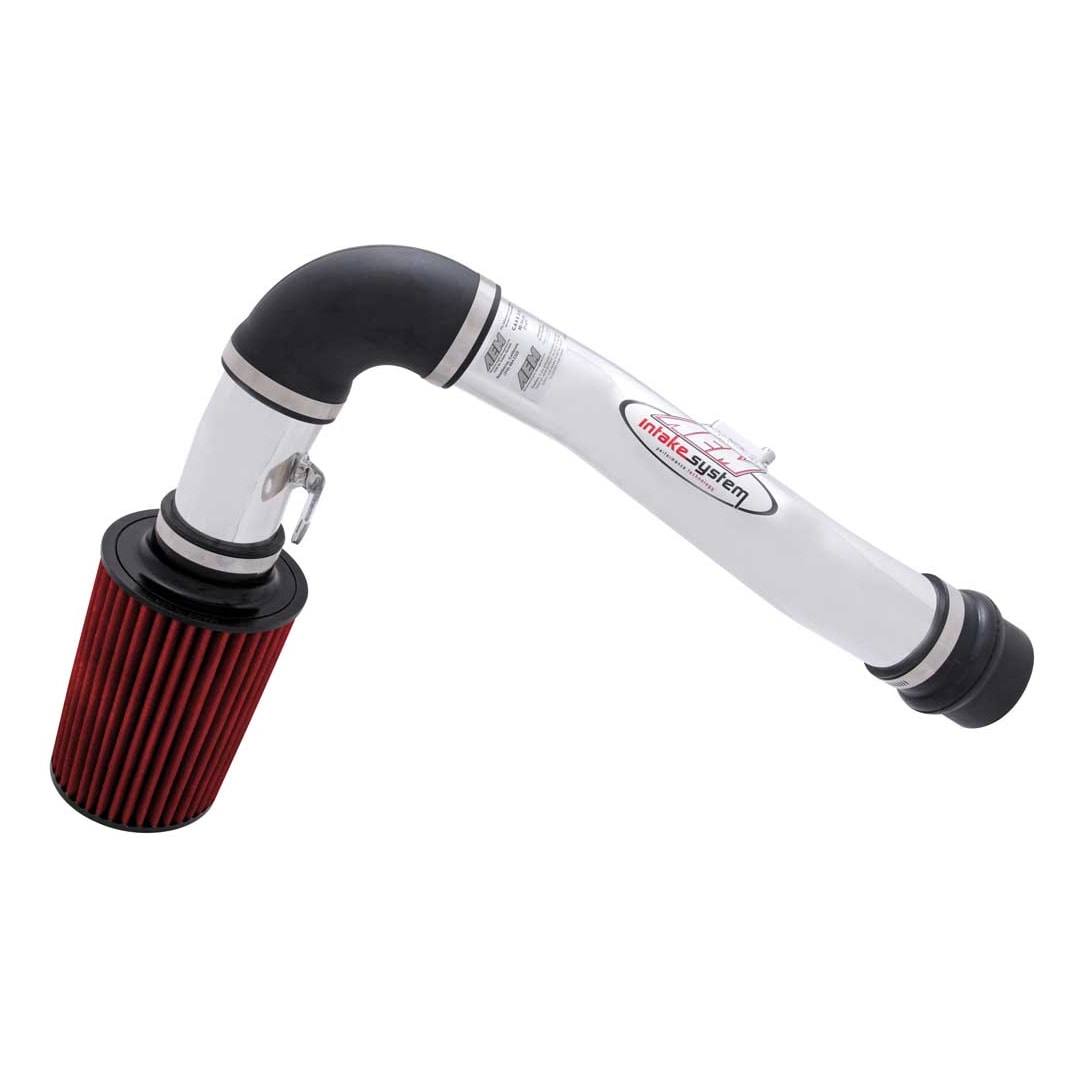
AEM Cold Air Intake
Compatibility: Subaru WRX 2022-2025 (VB) and 2008-2014
- Up to 100,000-Mile Service Interval: The oil-free Dryflow filter can go up to 100,000 miles between cleanings, depending on conditions.
- No Oil-Related MAF Issues: Unlike oiled filters that can leave residue on the MAF element, potentially causing erratic readings or CELs.
- Premium Build Quality: Features a mandrel-bent aluminum intake tube with durable gunmetal grey powder coat finish.
The AEM Dryflow is perfect for enthusiasts who want excellent performance with absolute minimum maintenance. If you'd rather spend your weekends driving than wrenching, this intake lets you do exactly that.
Cold Air Intake Buyer's Guide
Cold Air Intake or Short Ram Intake
For most WRX owners, we recommend a well-shielded intake (sealed airbox) or a true cold air design. Both help reduce heat soak; sealed airbox systems offer simpler installation and maintenance. Some systems, like the COBB SF with airbox, are engine-bay intakes with sealed heatshields rather than true fender-well cold air designs.
Do You Need a Tune?
Intakes that typically don't require a tune: Some manufacturers engineer their intakes specifically to work with the factory ECU calibration.If you're already running a COBB Accessport or plan to add one, get the tune. If you're committed to staying stock ECU with no tuning, choose an intake specifically designed for no-tune operation, like the Mishimoto.
Filter Types: Oiled vs. Dry
Both filter types work excellently for the vast majority of WRX owners. If you're meticulous about maintenance and don't mind the cleaning process, oiled filters offer proven performance. If you prefer minimal maintenance and want to eliminate any risk of MAF contamination, choose a dry filter system.
Installation Tips
- Disconnect your battery: Before working on any intake system, disconnect your negative battery terminal. This allows the ECU to reset and relearn with the new intake installed.
- Handle your MAF sensor with care:Never touch the sensing element inside the sensor, and avoid spraying anything directly onto it. When transferring the sensor to a new intake tube, handle it only by the housing and connector.
- Check all connections twice: After installation, visually inspect every hose clamp, coupler, and connection point. Give each clamp a final tightening before closing the hood.
- Let the car relearn: After starting your WRX with the new intake installed, let it idle for 5–10 minutes, then take a short gentle drive cycle before full-throttle operation.
- Break it in gently: Avoid full-throttle acceleration for the first few drive cycles after installation. This gives the ECU time to adjust and ensures everything is working properly before you push the car hard.
Maintenance and Filter Care
For Oiled Filters:
Inspect your filter every 25,000 miles or annually, whichever comes first. In dusty conditions or if you frequently drive on unpaved roads, check more frequently. When cleaning is needed, use the manufacturer's recommended cleaning kit. Allow the filter to dry completely before re-oiling, and avoid over-oiling—the filter should be evenly coated but not saturated.
For Dry Filters:
Check your filter according to the manufacturer's recommendations—typically every 50,000-100,000 miles for filters like the AEM Dryflow. Cleaning involves simply washing with water and mild soap, then allowing to dry completely before reinstalling. No oil is required.
General Maintenance:
Periodically inspect all hose clamps and connections for tightness. Rubber couplers can compress over time, causing clamps to loosen. Check for any signs of cracking or deterioration in silicone couplers, especially if your WRX sees extreme temperatures.
Frequently Asked Questions
Will a cold air intake void my warranty?
Under the Magnuson-Moss Warranty Act, a dealer cannot void your warranty simply because you've installed aftermarket parts. However, if they can demonstrate that an aftermarket part directly caused a failure, that specific repair may not be covered. In practice, a quality intake installed correctly is unlikely to create warranty issues by itself, but outcomes vary by dealer and jurisdiction. If you're concerned, choose intakes designed to work on stock calibration or consult your tuner about emissions-compliant options.
How much horsepower will I gain?
Realistic gains from a cold air intake alone range from 5-15 horsepower at the wheels, depending on the specific intake and your vehicle's other modifications. When combined with a proper ECU tune, gains can increase significantly. Some intakes, like the ETS system, have documented gains exceeding 30 horsepower in certain RPM ranges when properly tuned.
Will I get a check engine light?
A quality cold air intake that's properly installed should not trigger a check engine light. If you do see a CEL after installation, the most common causes are a loose connection or vacuum leak somewhere in the intake system, or a MAF sensor that needs cleaning. Double-check all connections before assuming there's a problem with the intake itself.
What's the best cold air intake for a stock WRX?
For a completely stock WRX that will remain untuned, we recommend the Mishimoto Performance Air Intake. It's specifically engineered to deliver maximum performance while maintaining safe air-fuel ratios on the factory ECU calibration.
What's the best cold air intake for a tuned WRX?
For a tuned WRX, the COBB SF Intake is our top recommendation—pair it with an Accessport OTS map on VA or a pro tune on VB for precise fueling.